Towards integrated intelligence
Towards integrated intelligence

Robotics and Smart Health
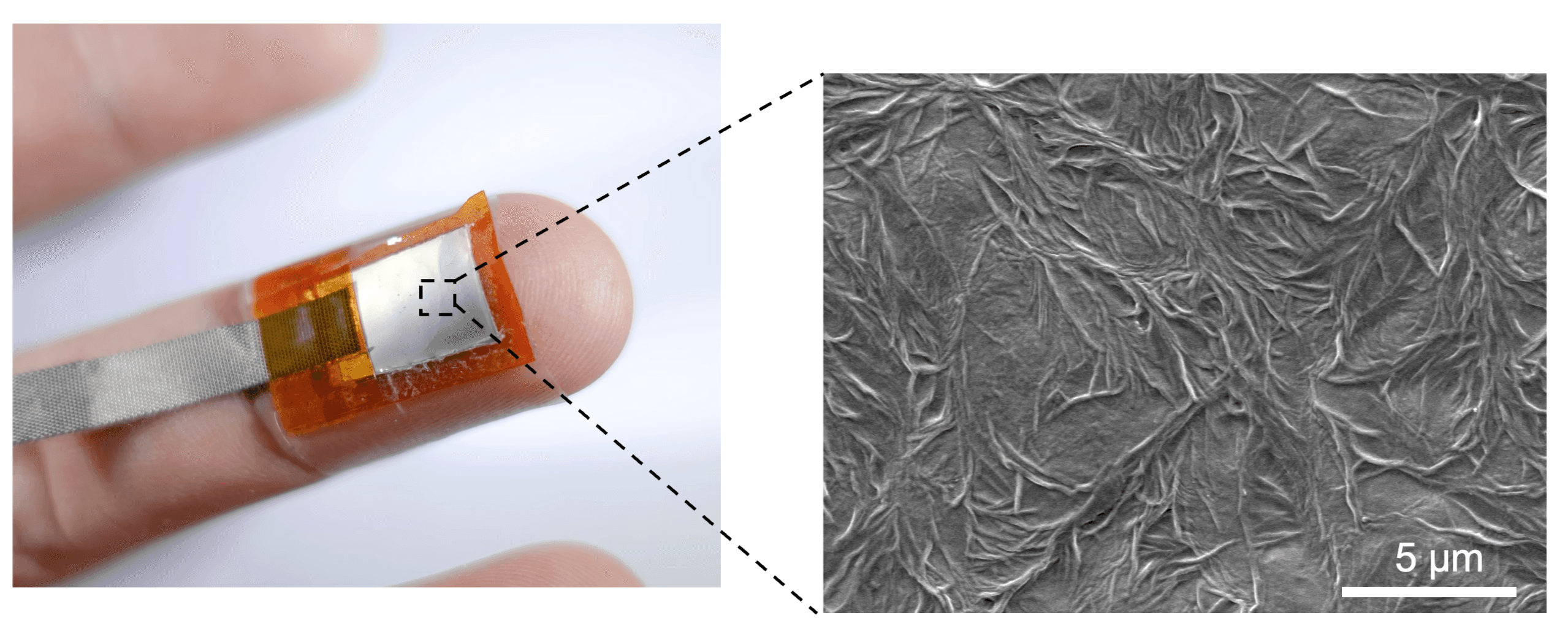
Our research bridges sensing and artificial intelligence to enable practical, real-world applications. By coupling multimodal sensory systems with AI hardware, we develop self-adaptable sensors that continuously tune their response to context, supplying neural networks with the reliable, information-rich signals they need to interpret complex environments accurately. This co-design of sensor and algorithm extends from robotic perception and human-robot interaction to biomedical diagnostics.
Our research bridges sensing and artificial intelligence to enable practical, real-world applications. By coupling multimodal sensory systems with AI hardware, we develop self-adaptable sensors that continuously tune their response to context, supplying neural networks with the reliable, information-rich signals they need to interpret complex environments accurately. This co-design of sensor and algorithm extends from robotic perception and human-robot interaction to biomedical diagnostics.

On-device AI using Analog/Digital signal computing
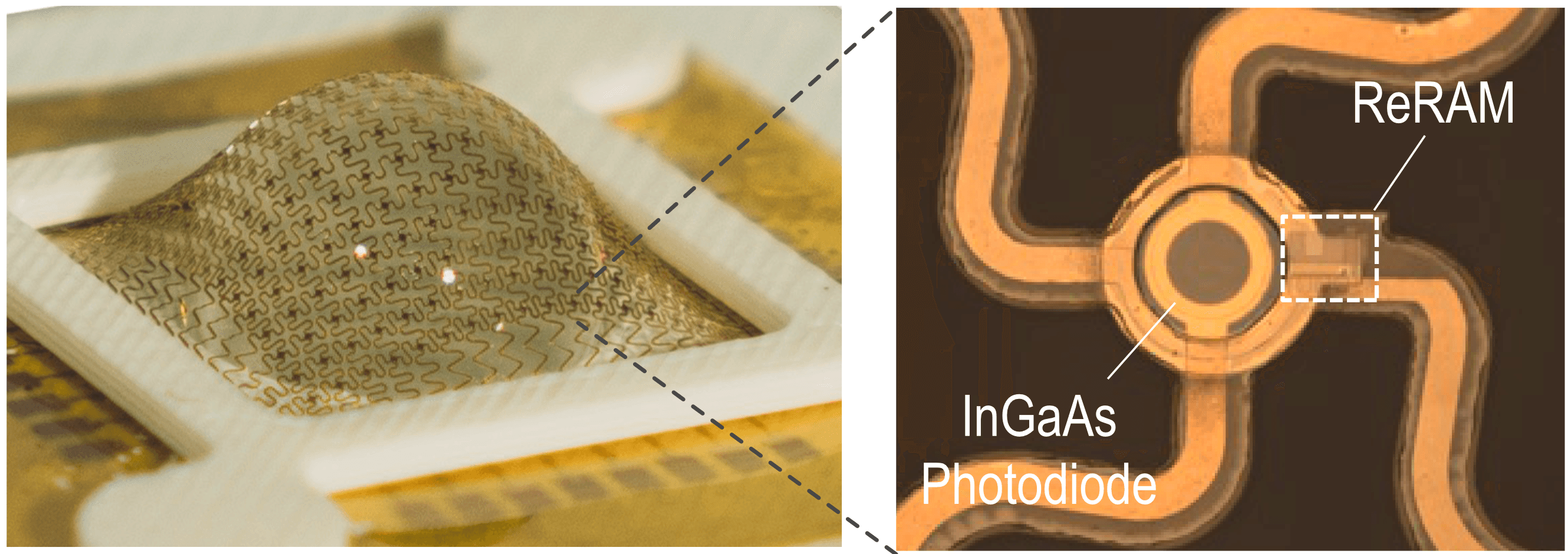
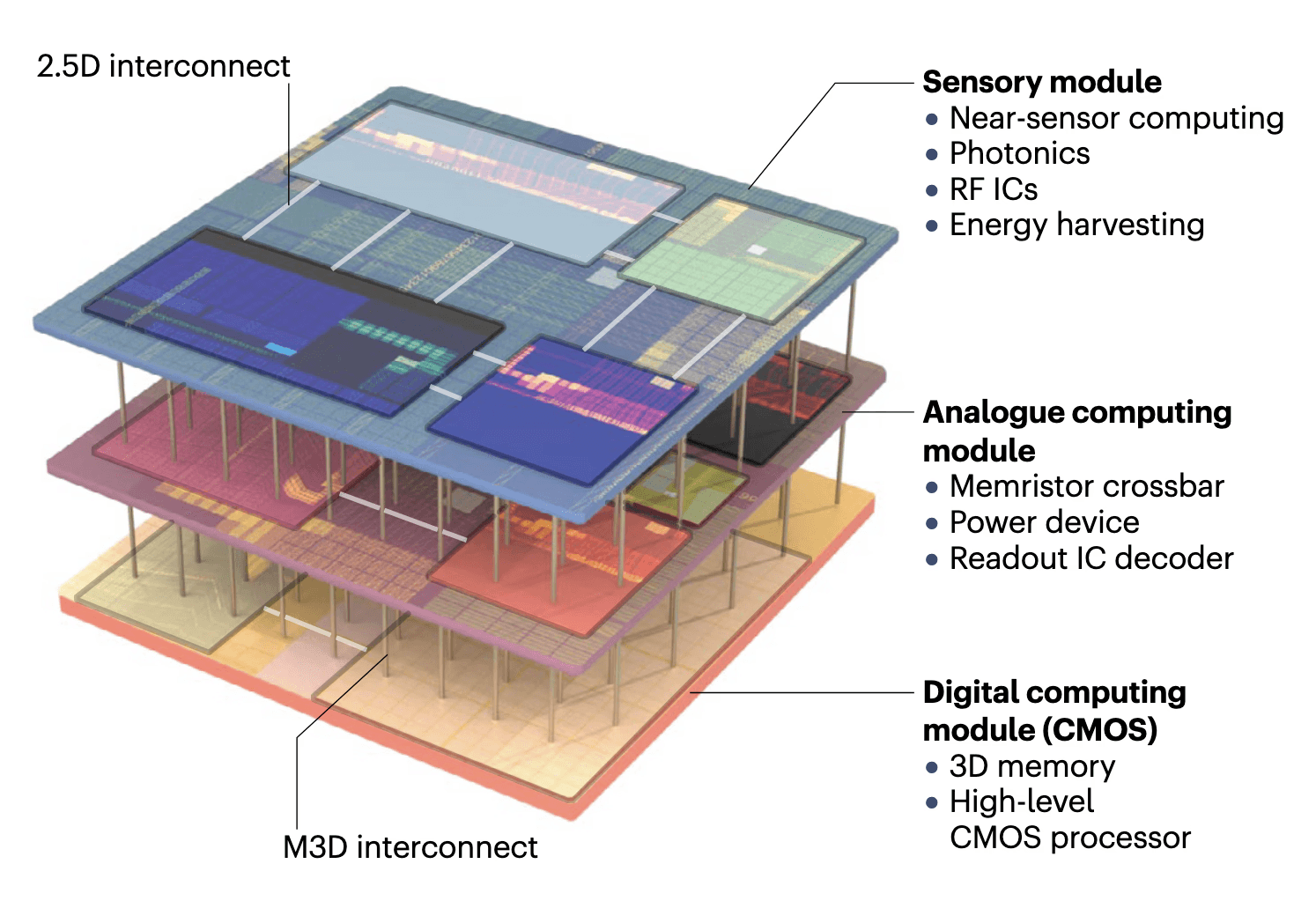
Our work in neuromorphic computing develops energy-efficient hardware that performs AI computation at the sensor level. This in-sensor and near-sensor approach addresses core AIoT challenges in real-time processing, latency, and on-device data privacy. On the analog side, we design ternary charge-trap transistors for low-overhead quantized neural networks and oxide-based memristive crossbars that perform in-memory MAC operations, removing the bottleneck between processing and memory units. On the digital side, we embed optimized neural network algorithms in resource-constrained microprocessors. Together, this heterogeneous analog and digital integration with hardware-software co-design enables on-device AI.
Our work in neuromorphic computing develops energy-efficient hardware that performs AI computation at the sensor level. This in-sensor and near-sensor approach addresses core AIoT challenges in real-time processing, latency, and on-device data privacy. On the analog side, we design ternary charge-trap transistors for low-overhead quantized neural networks and oxide-based memristive crossbars that perform in-memory MAC operations, removing the bottleneck between processing and memory units. On the digital side, we embed optimized neural network algorithms in resource-constrained microprocessors. Together, this heterogeneous analog and digital integration with hardware-software co-design enables on-device AI.
Our work in neuromorphic computing develops energy-efficient hardware that performs AI computation at the sensor level. This in-sensor and near-sensor approach addresses core AIoT challenges in real-time processing, latency, and on-device data privacy. On the analog side, we design ternary charge-trap transistors for low-overhead quantized neural networks and oxide-based memristive crossbars that perform in-memory MAC operations, removing the bottleneck between processing and memory units. On the digital side, we embed optimized neural network algorithms in resource-constrained microprocessors. Together, this heterogeneous analog and digital integration with hardware-software co-design enables on-device AI.


Advanced Semiconductor Growth and 2D Materials
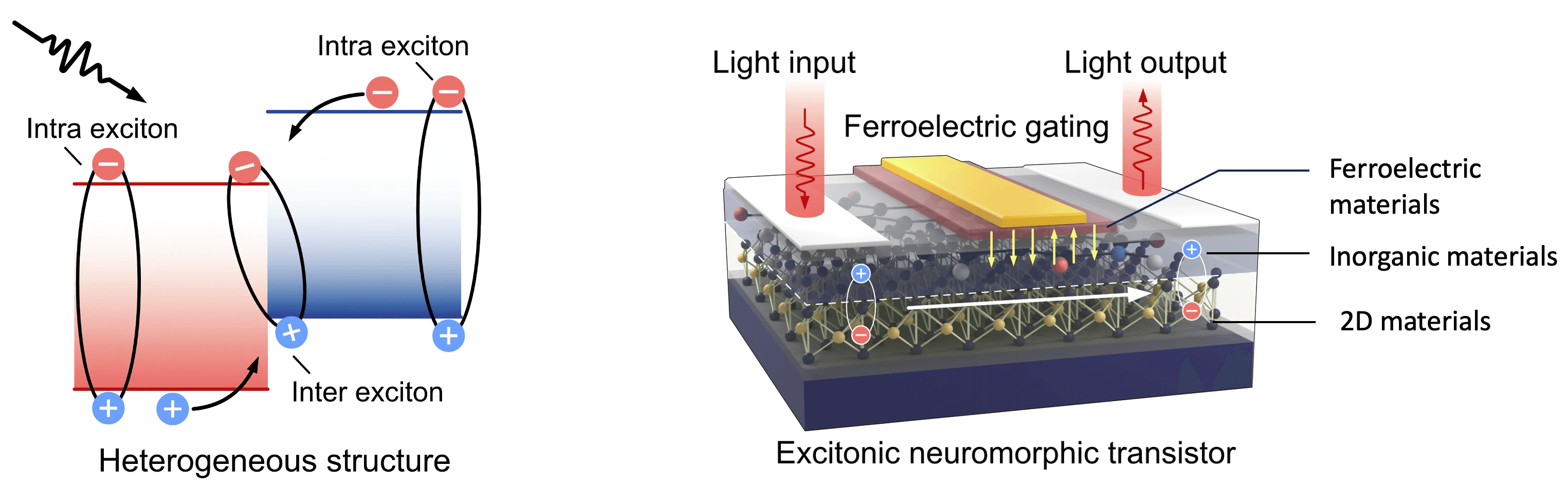
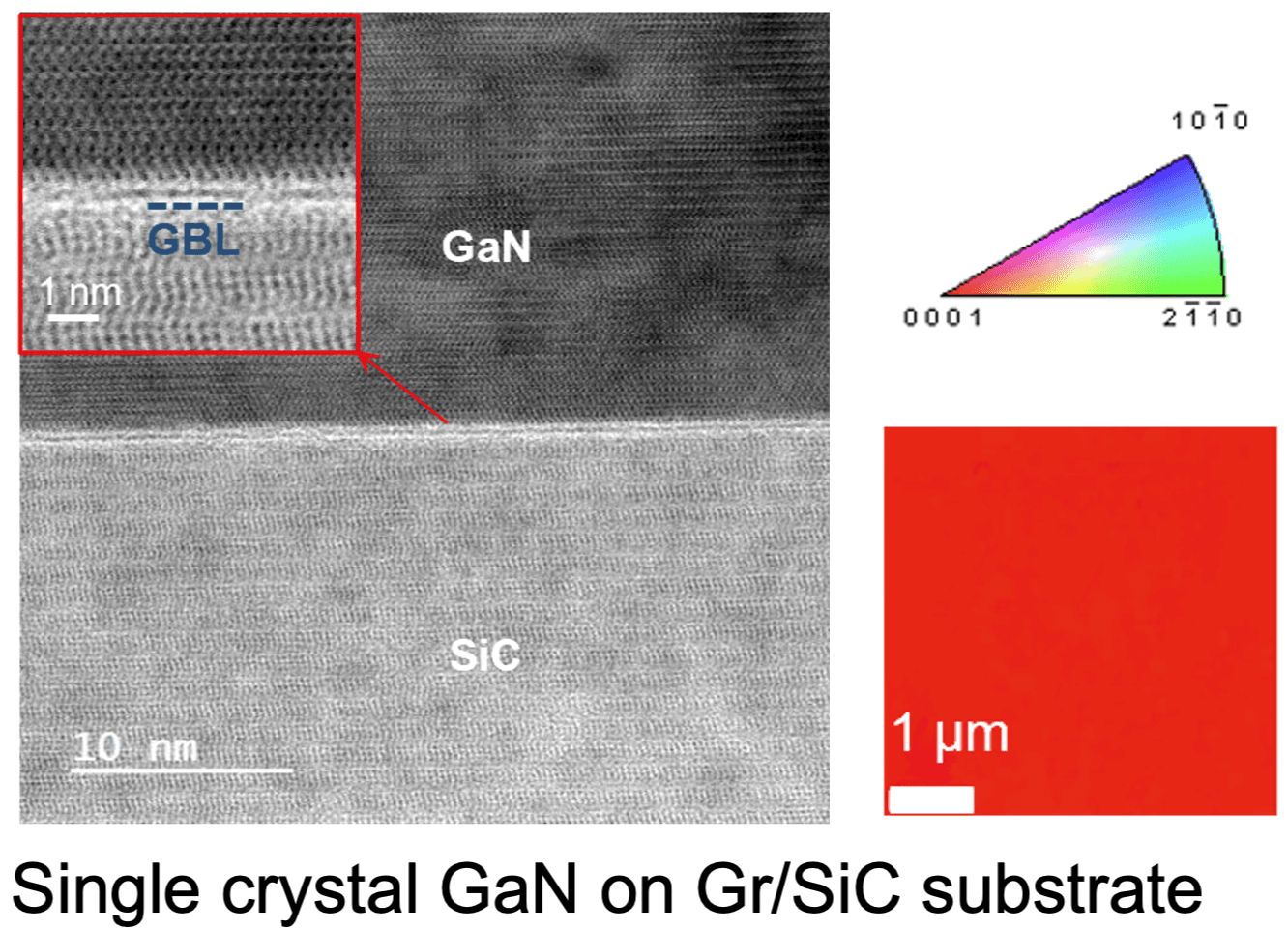
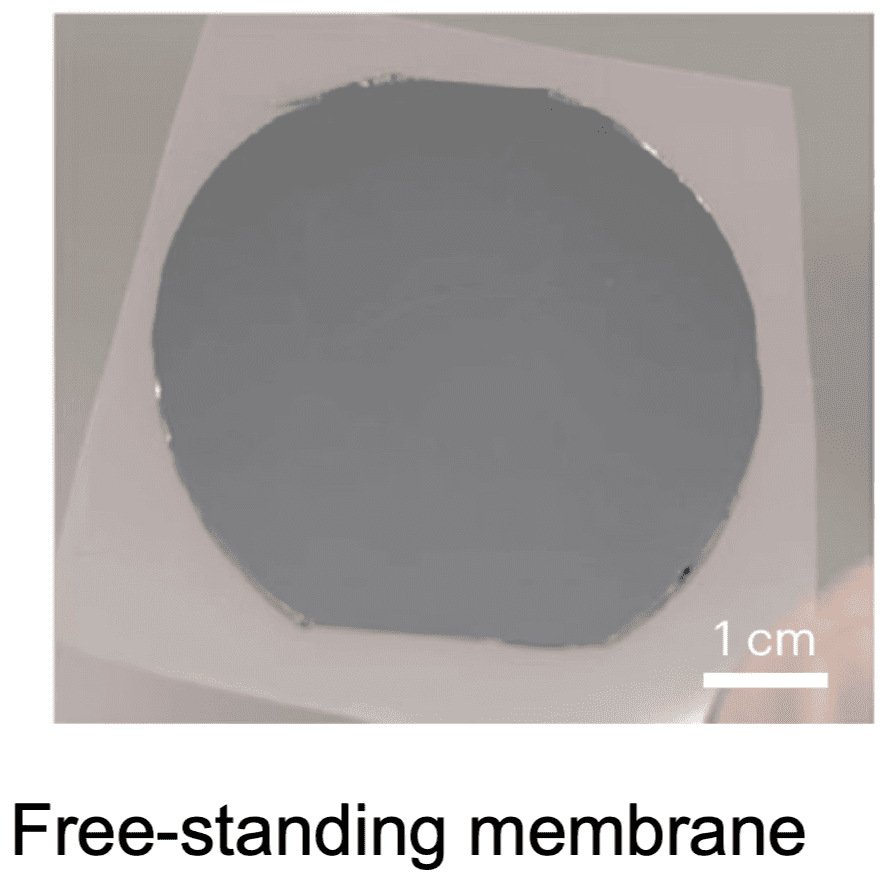
We develop materials that let sensing, memory, and computation share a single stack. Our epitaxial growth expertise spans III-V and III-nitride semiconductors by molecular beam epitaxy, including GaN and hexagonal boron nitride, and extends to 2D ferroelectrics, non-volatile memory materials, and functional oxides that provide programmable, non-volatile weights directly at the sensor. Graphene-assisted epitaxy serves as a universal platform for defect reduction and strain relaxation, while 2D-material-based layer transfer yields multiple single-crystalline membranes from a single wafer, making high-quality compound semiconductors available at practical cost.
We develop materials that let sensing, memory, and computation share a single stack. Our epitaxial growth expertise spans III-V and III-nitride semiconductors by molecular beam epitaxy, including GaN and hexagonal boron nitride, and extends to 2D ferroelectrics, non-volatile memory materials, and functional oxides that provide programmable, non-volatile weights directly at the sensor. Graphene-assisted epitaxy serves as a universal platform for defect reduction and strain relaxation, while 2D-material-based layer transfer yields multiple single-crystalline membranes from a single wafer, making high-quality compound semiconductors available at practical cost.
We develop materials that let sensing, memory, and computation share a single stack. Our epitaxial growth expertise spans III-V and III-nitride semiconductors by molecular beam epitaxy, including GaN and hexagonal boron nitride, and extends to 2D ferroelectrics, non-volatile memory materials, and functional oxides that provide programmable, non-volatile weights directly at the sensor. Graphene-assisted epitaxy serves as a universal platform for defect reduction and strain relaxation, while 2D-material-based layer transfer yields multiple single-crystalline membranes from a single wafer, making high-quality compound semiconductors available at practical cost.
Heterointegration and Layer Transfer Technologies
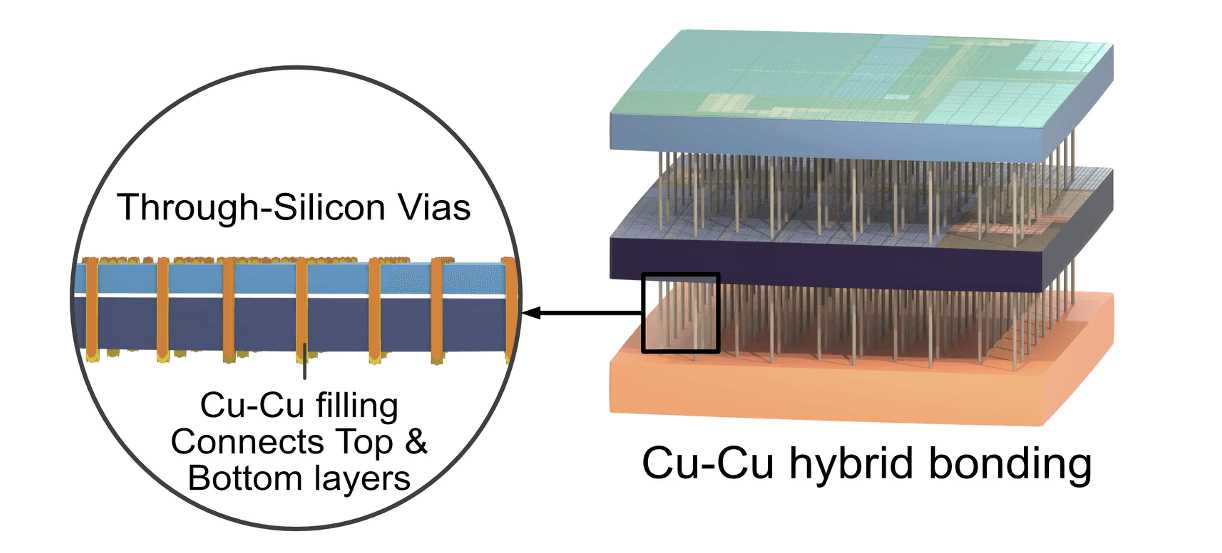
Layer transfer and remote epitaxy let us combine materials that cannot be grown together, integrating III-V compounds, oxides, and 2D materials onto arbitrary substrates for power electronics, flexible devices, and sensor-computing stacks. Freestanding membranes also improve thermal management and allow expensive substrates to be reused. We are extending this approach vertically, toward an electronic-photonic platform in which vertical photonic waveguides carry data between stacked tiers and optically active layers, such as programmable photon-absorbing films or liquid-crystal media, perform computation in situ along the optical path. The result is an energy-efficient accelerator for high-load AI workloads.
Layer transfer and remote epitaxy let us combine materials that cannot be grown together, integrating III-V compounds, oxides, and 2D materials onto arbitrary substrates for power electronics, flexible devices, and sensor-computing stacks. Freestanding membranes also improve thermal management and allow expensive substrates to be reused. We are extending this approach vertically, toward an electronic-photonic platform in which vertical photonic waveguides carry data between stacked tiers and optically active layers, such as programmable photon-absorbing films or liquid-crystal media, perform computation in situ along the optical path. The result is an energy-efficient accelerator for high-load AI workloads.
Layer transfer and remote epitaxy let us combine materials that cannot be grown together, integrating III-V compounds, oxides, and 2D materials onto arbitrary substrates for power electronics, flexible devices, and sensor-computing stacks. Freestanding membranes also improve thermal management and allow expensive substrates to be reused. We are extending this approach vertically, toward an electronic-photonic platform in which vertical photonic waveguides carry data between stacked tiers and optically active layers, such as programmable photon-absorbing films or liquid-crystal media, perform computation in situ along the optical path. The result is an energy-efficient accelerator for high-load AI workloads.

Wearable Multimodal Sensors
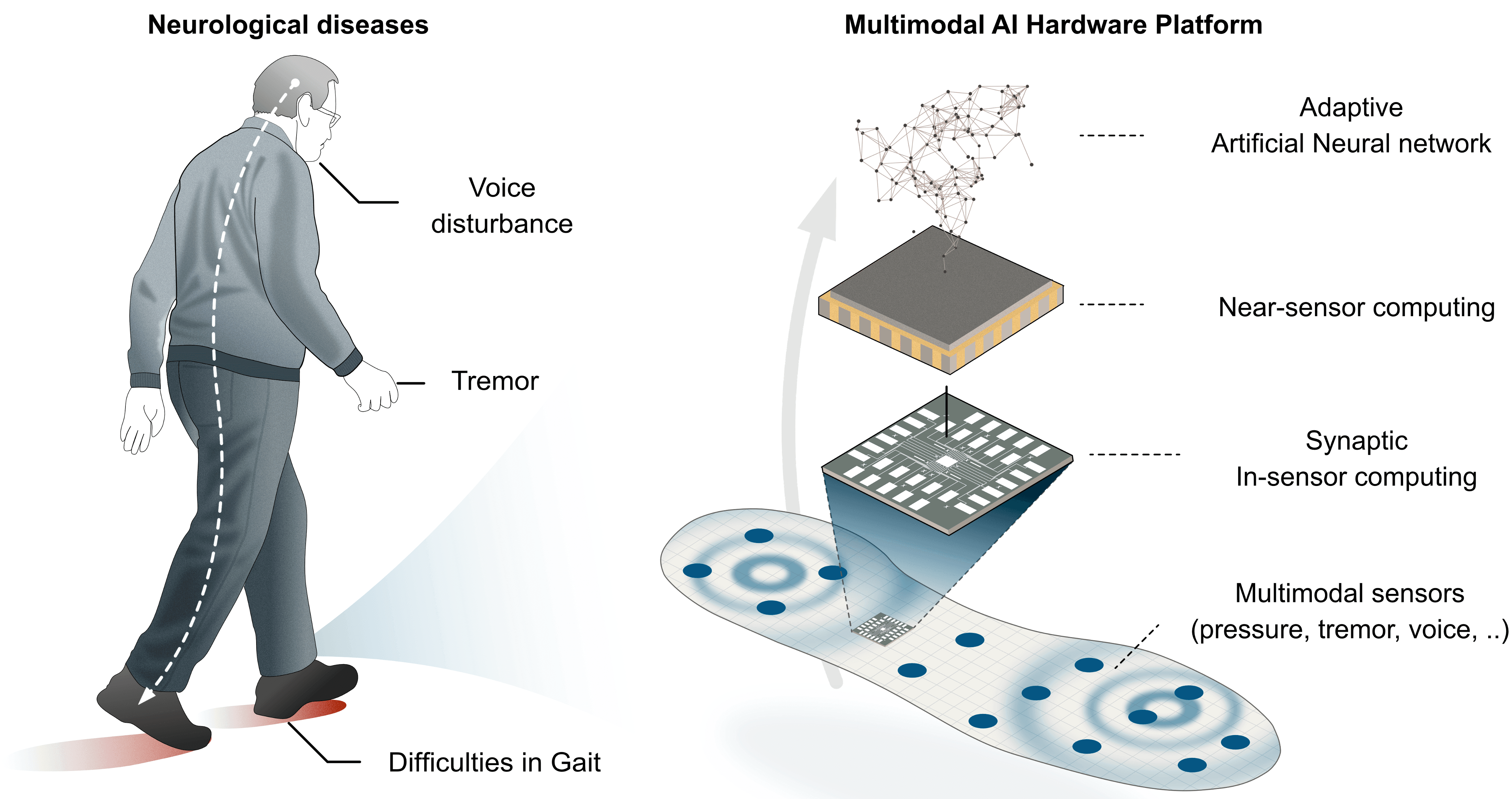
Our wearable sensing work develops flexible, multimodal sensor networks that monitor physiological and environmental signals simultaneously. We build networks of artificial olfactory receptors for spatiotemporal mapping of toxic gases, and pressure sensor systems coupled with neuromorphic computing for real-time gait analysis. Our devices include piezoelectric pressure sensors, triboelectric sensors for tremor detection, and integrated arrays on flexible substrates that retain function under mechanical deformation. Because AI processing runs on the device itself, these platforms support continuous health monitoring without sending raw data off-body or depending on external computation.
Our wearable sensing work develops flexible, multimodal sensor networks that monitor physiological and environmental signals simultaneously. We build networks of artificial olfactory receptors for spatiotemporal mapping of toxic gases, and pressure sensor systems coupled with neuromorphic computing for real-time gait analysis. Our devices include piezoelectric pressure sensors, triboelectric sensors for tremor detection, and integrated arrays on flexible substrates that retain function under mechanical deformation. Because AI processing runs on the device itself, these platforms support continuous health monitoring without sending raw data off-body or depending on external computation.
Our wearable sensing work develops flexible, multimodal sensor networks that monitor physiological and environmental signals simultaneously. We build networks of artificial olfactory receptors for spatiotemporal mapping of toxic gases, and pressure sensor systems coupled with neuromorphic computing for real-time gait analysis. Our devices include piezoelectric pressure sensors, triboelectric sensors for tremor detection, and integrated arrays on flexible substrates that retain function under mechanical deformation. Because AI processing runs on the device itself, these platforms support continuous health monitoring without sending raw data off-body or depending on external computation.